General Contractor: Your Leading Expert for Home Projects
A general contractor fulfills an essential role in residential construction. They oversee various aspects of building work, guaranteeing that everything runs smoothly. Their expertise in building codes and standards allows them to handle the intricacies of licenses and inspections. This professional serves as a vital link between clients and subcontractors. However, many homeowners stay uncertain about the complete range of their services. Understanding these specifics can greatly impact the outcome of any remodeling endeavor.
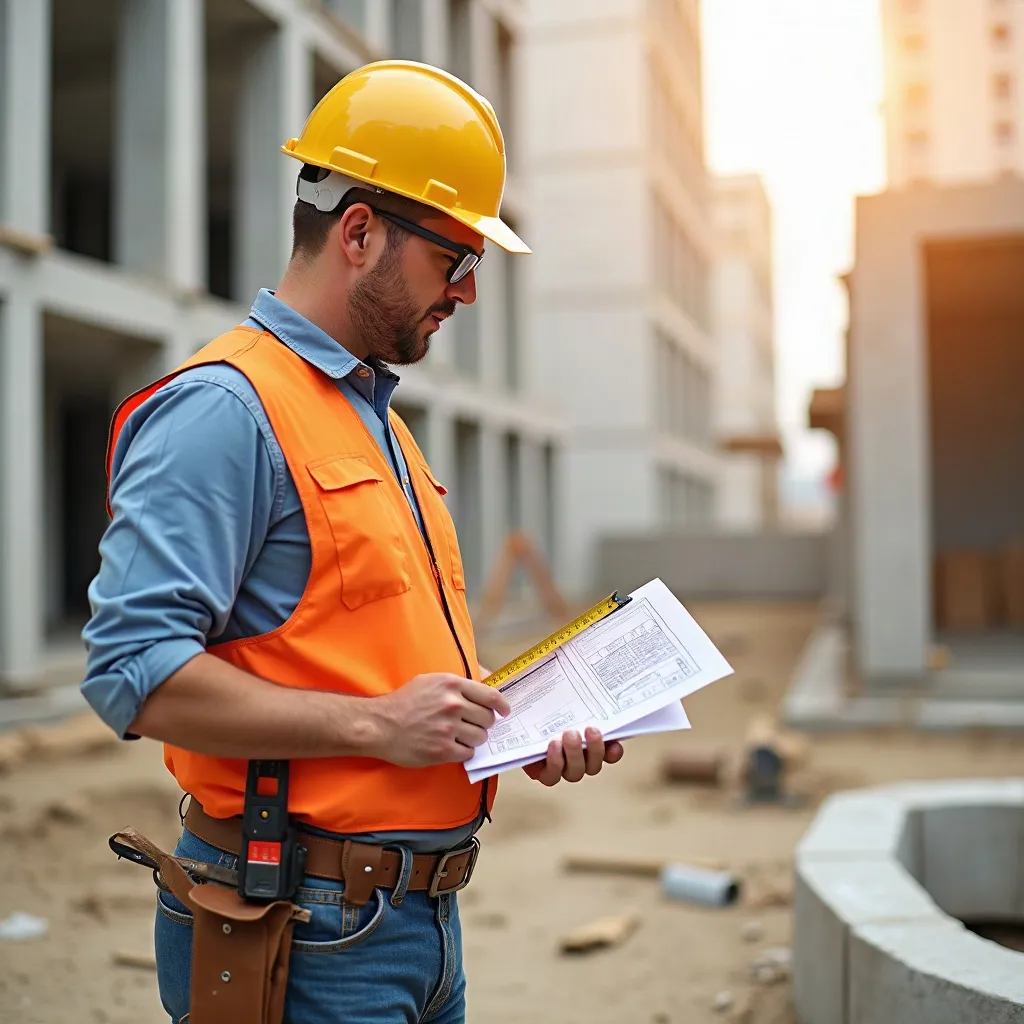
Which Tasks Does a General Contractor Do?
A general contractor directs the multiple aspects of a construction project, ensuring that operations proceed without interruption from initiation to completion. They act as the chief communication hub, managing communication between project owners, trade contractors, and material providers. This responsibility encompasses planning the project timeline, supervising crew members, discover the facts and ensuring conformity with local building codes and regulations.
General contractors are in charge of acquiring required licenses and arranging inspections, which are vital for upholding safety and quality benchmarks. They also handle budget planning, material procurement, and overseeing site operations to prevent any possible setbacks or complications. In addition, they oversee subcontractors, making sure that each phase of construction conforms to project specifications and timelines. Overall, a general contractor's knowledge and management abilities are crucial for delivering a successful construction project, turning a client's vision into reality while managing multiple duties and obligations.
Using a general contractor for home renovations provides many advantages that can greatly improve the quality and efficiency of the project. Experienced contractors bring knowledge in project management, guaranteeing timelines are met and resources are allocated effectively. Their strong relationships with subcontractors can lead to competitive rates and excellent quality, which in the end saves homeowners money and time.
Furthermore, project managers address the complex elements of approvals and reviews, limiting potential legal issues. They also deliver a one main contact, facilitating communication and coordination among various trades. This consolidation reduces the probability of errors and postponements.
In addition, their experience empowers them to recognize emerging challenges, allowing proactive solutions to keep the project on track. By hiring a general contractor, homeowners can focus on their vision while savoring peace of mind, confident that a professional is overseeing every aspect of the renovation.
Dispelling False Beliefs Surrounding Builders
Although many homeowners may have misunderstandings about general contractors, grasping the realities can lead to more informed decisions. A widespread myth is that hiring a general contractor is not essential for small projects; still, their expertise can ease even minor renovations, ensuring conformance with local codes. Another frequent belief is that contractors are just middlemen, but they often have comprehensive knowledge in different fields, allowing them to manage projects efficiently. Moreover, some homeowners assume that working with a contractor will greatly raise costs. In reality, a experienced general contractor can often obtain better pricing for materials and labor through established relationships with vendors and subcontractors. Lastly, many think that contractors are unbending, but reliable contractors focus on client communication and work closely to satisfy specific needs. Dispelling myths can empower clients to harness the true value of general contractors when completing positive home projects.
How to Pick the Right General Contractor?
How can property owners guarantee they select the best construction professional for their projects? The procedure starts with comprehensive investigation. Property owners should obtain recommendations from friends, family, and online reviews to identify potential candidates. Once a list is compiled, confirming credentials, such as licensing, insurance, and bonding, is essential to verify credibility.
Next, property owners should ask for and examine portfolios of previous work, focusing on assignments of comparable size. Scheduling meetings allows homeowners to gauge compatibility, discussing schedules, costs, and requirements. It's also advisable to get several estimates for evaluation, providing a better grasp of costs.
Reviewing references offers understanding of a contractor's dependability and expertise. Ultimately, following your intuition is crucial; an first consultation can uncover a contractor's way of communicating and methodology. By following these steps, homeowners can significantly boost their likelihood of picking a general contractor who matches their project needs and vision.
Effective Dialogue Approaches For Your General Contractor
How might homeowners employ strategies to ensure proper interaction with their general contractor? Setting up clear interaction from the outset is critical. Homeowners must explicitly state their requirements, project objectives, and spending restrictions during preliminary talks. Ongoing reports can be supported through scheduled meetings, ensuring that both parties stay in sync throughout the project.
Leveraging written documentation, like emails or project logs, strengthens spoken arrangements and reduces confusion. Homeowners should equally encourage open dialogue by soliciting feedback and questions from the contractor, fostering a cooperative environment.
Additionally, harnessing modern solutions, such as project management apps, can optimize information sharing by delivering a centralized platform for distributing updates, timelines, and changes. Finally, displaying respect and friendliness can improve rapport, facilitating it more convenient for the contractor to express challenges or suggestions productively. By using these strategies, homeowners can foster a productive and candid relationship with their general contractor.
What to Anticipate When Your Undertaking Launches?
As the project launches, homeowners can expect a flurry of activity on-site. The general contractor will organize groups of experienced professionals, such as electricians, plumbers, and carpenters, who will begin their work according to the predetermined schedule. Homeowners may notice equipment and supplies being brought in, creating a lively atmosphere.
Clear communication is vital during this stage. The contractor will inform advancements and resolve any issues that arise. Homeowners should prepare for potential interruptions, such as acoustic disturbances and restricted access to various areas of the home.
Safety measures will be in place to protect both workers and residents, ensuring a secure environment. Additionally, homeowners may be prompted to maintain flexibility, as unforeseen issues can arise, necessitating adjustments to the original plan. Overall, this initial phase lays the groundwork for the successful completion of the project, and active participation is essential.
Essential Questions for Your General Contractor Contract?
Pinpointing the right matters to inquire about when finalizing a general contractor agreement is vital for guaranteeing a smooth project. Homeowners should inquire about the contractor's authorization and coverage to validate their qualifications and protection against exposure. Understanding the project schedule and benchmarks is critical; therefore, asking about expected completion dates helps establish expectations.
It is also vital to set payment terms, comprising deposit amounts and payment schedules, to eliminate misunderstandings. Property buyers should require a itemized summary of expenditures, covering raw materials and work, to ensure visibility. Likewise, examining the process for tackling changes or unforeseen issues can preclude tensions subsequently.
To wrap up, property owners should look into information about subcontractors and their experience, as well as the contractor's communication strategy throughout the project. By addressing these concerns, property owners can maintain a strong partnership with their general contractor, ultimately enabling a successful home project.
Frequently Asked Questions
How Do General Contractors Bill for Their Services?
General contractors typically charge through set prices, hourly rates, or a percentage of the total project cost. Their pricing may also encompass supplies, work, and overhead, based on the complexity and extent of the project.
Can a General Contractor Assist With Permits and Assessments?
Yes, a general contractor can help with securing permits and overseeing inspections. They typically navigate local codes and guarantee adherence, streamlining the process for homeowners while facilitating necessary authorizations throughout the construction project.
What Attributes Should I Look for in a General Contractor?
When hiring a construction firm, one should assess qualifications such as licensing, comprehensive insurance, experience in relevant projects, strong references, and strong interpersonal abilities, confirming they demonstrate the necessary expertise to handle the project successfully.
How much time Does a Standard Home Remodeling Project Take?
A ordinary home remodeling job can last anywhere from a few weeks to several months, reliant on the scope, complexity, and size of the project, as well as the availability of materials and labor.
What Happens if My Initiative Exceeds Financial Limits?
Should a project go over budget, the contractor usually communicates the causes and alternatives with the homeowner. Adjustments may include scaling back, seeking additional funding, or revising the project scope to align with financial limits.